A well-functioning kitchen is essential for any home, but when drainage issues begin to surface, they can quickly disrupt your daily routine. Blocked drains are one of the most common plumbing problems, and they often start with subtle warning signs that are easy to overlook. Recognizing these early indicators can help prevent costly repairs and keep your kitchen running smoothly.
One of the first signs of a blocked drain is slow water drainage. If you notice that water is taking longer than usual to empty from your sink, it could be due to a buildup of grease, food particles, or soap residue within the pipes. Over time, these materials accumulate and restrict the flow of water, leading to more severe blockages if left untreated.
Another clear indication is unpleasant odors coming from your kitchen sink. When food debris gets trapped in the pipes, it begins to decompose, producing a foul smell that can spread throughout your kitchen. This odor is not only unpleasant but also a sign that bacteria may be growing inside your drainage system, which can pose hygiene concerns.
Gurgling sounds are also a warning sign that should not be ignored. If you hear strange noises when water is draining, it often means that air is trapped in the pipes due to a blockage. These sounds can occur intermittently at first but may become more frequent as the obstruction worsens. Addressing this issue early can help prevent complete pipe blockage or damage.
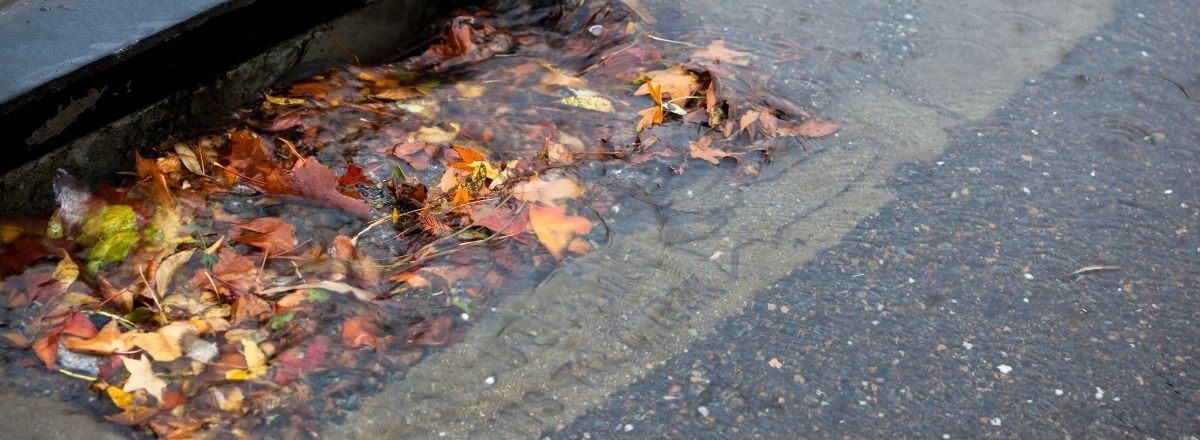
Water backing up into the sink is a more serious symptom of a blocked drain. Instead of flowing down the drain, water may rise back up, sometimes bringing debris with it. This can create a messy and unsanitary situation in your kitchen. In severe cases, the water may even overflow, causing damage to your countertops and cabinets.
Frequent need for plunging is another sign that your kitchen drain requires attention. While using a plunger occasionally is normal, having to rely on it regularly indicates a deeper problem within the plumbing system. Temporary fixes may provide short-term relief, but they do not address the root cause of the blockage.
Grease buildup is a common culprit behind blocked kitchen drains. Many homeowners unknowingly pour cooking oils and fats down the sink, which solidify as they cool and stick to the inner walls of the pipes. Over time, this creates a thick layer that narrows the passage for water flow. Being mindful of what goes down your drain can significantly reduce the risk of blockages.
In some cases, you may notice multiple drains in your home acting up at the same time. While this may seem unrelated to your kitchen, it can indicate a larger issue within the main drainage system. When several fixtures are affected, it’s important to seek professional assistance to diagnose and resolve the problem effectively.
Ignoring these warning signs can lead to more severe complications, such as pipe damage or leaks. Blocked drains increase pressure within the plumbing system, which can weaken pipes over time and cause them to crack or burst. This not only results in costly repairs but can also lead to water damage in your home.
Preventative maintenance plays a key role in avoiding blocked drains. Simple habits like disposing of food waste properly, using sink strainers, and avoiding pouring grease down the drain can make a significant difference. Regular cleaning and occasional professional inspections can also help keep your drainage system in good condition.

If you notice persistent issues despite taking preventive measures, it’s wise to consult a professional plumber. Experts have the tools and experience to identify the underlying cause and provide long-lasting solutions. Reliable services such as James Devitt Plumbing can ensure that your kitchen drainage system is restored to optimal performance.
In conclusion, being aware of the signs of Blocked Drains in Stirling can save you time, money, and inconvenience. From slow drainage and unpleasant odors to gurgling sounds and water backups, these indicators should never be ignored. Taking prompt action and maintaining good kitchen habits will help you keep your drains clear and your kitchen functioning efficiently.


No comments:
Post a Comment